
Improve Memory and Focus with Slower, Hands On Challenges

In a world of constant notifications, fragmented attention, and endless scrolling, many people are looking for better ways to improve memory and focus. offers a different kind of experience. At Circular Puzzles, the process feels slower, more tactile, and more intentional. Through the artistic challenge, everyday downtime becomes a more mindful ritual that supports concentration, patience, and deeper presence.
Why Modern Minds Need Better Focus
Modern life trains attention to move too quickly. One tab becomes five. One message becomes ten. Over time, this scattered rhythm can make it harder to stay present with even simple tasks.
That is why slower, hands on activities matter. They invite the brain to settle into one experience instead of jumping between distractions.
When the mind works through something visual, tactile, and immersive, the result often feels calmer and clearer.
Some of the everyday benefits of screen free challenges include:
steadier concentration
better mental clarity
less digital fatigue
more intentional downtime
a stronger sense of completion
How Circular Challenges Help Improve Memory and Focus
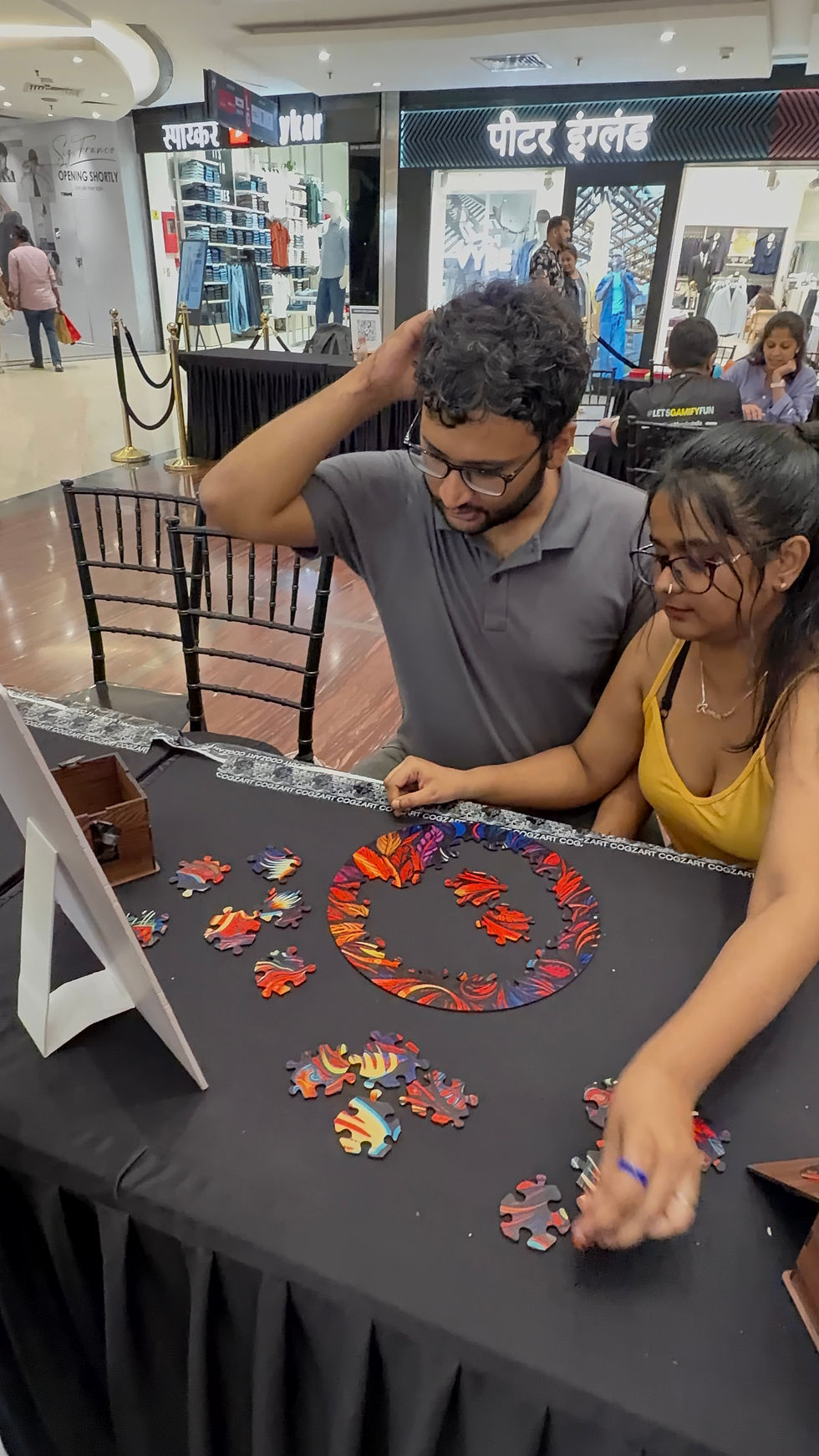
A well designed circular challenge asks the brain to observe carefully, notice patterns, and respond with patience. Without the familiar comfort of corners and straight edges, the experience becomes more engaging. You are not rushing to finish. You are studying, comparing, rotating, and thinking.
That is part of what makes CircZle feel so different. Its circular form, hexagonal piece structure, and visually rich design create a more immersive process that can improve memory and focus in a way that feels enjoyable rather than forced.
This kind of challenge can support the mind by encouraging:
visual attention
spatial reasoning
calm persistence
deeper engagement with one task at a time
Small Screen Free Habits That Support Clear Thinking
Better focus is often built through small daily rituals. A quiet table. A phone kept out of reach. Twenty uninterrupted minutes doing something with your hands instead of your screen.
These moments may seem simple, but they can change the tone of an evening. Instead of passive scrolling, you create space for active concentration. Instead of noise, you create room for thought.
A calming routine may look like this:
clear a small surface
put devices away
sit down with tea or coffee
return to the design for a few quiet minutes
continue again tomorrow

A More Meaningful Way to Unwind at Home
Not every break feels refreshing. Some forms of entertainment leave the mind even more overstimulated. A tactile, artistic challenge offers something different. It slows the pace, sharpens attention, and creates a more satisfying kind of rest.
Cogzart blends art, science, and thoughtful design into an experience that feels both mentally engaging and visually rewarding. For people who want to improve memory and focus, it offers a screen free way to reconnect with clear thinking, patience, and a better quality of downtime.
Step away from distractions and return to a slower, more intentional rhythm. Explore a circular challenge that brings clarity, creativity, and focus into everyday life.
Citations:
Frontiers in Aging Neuroscience — Jigsaw Puzzling Taps Multiple Cognitive Abilities and Is a Potential Protective Factor for Cognitive Aging


Comments